
The largest monument to a writer in the world, the Scott Monument commemorates Sir Walter Scott, an Edinburgh-born writer famous for his historical novels.
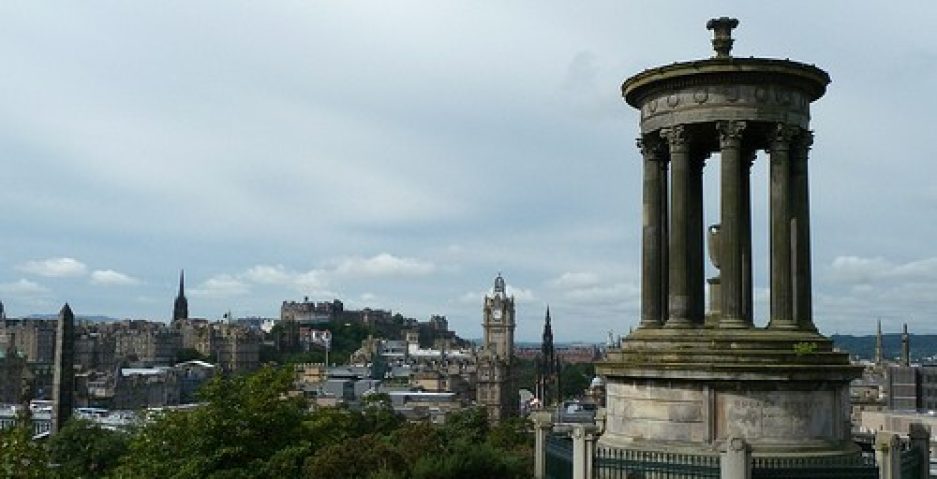
The largest monument to a writer in the world, the Scott Monument commemorates Sir Walter Scott, an Edinburgh-born writer famous for his historical novels.

Funded by public subscription and erected in 1907, the Fusiliers’ Arch was dedicated to the officers, non-commissioned officers and enlisted men of the Royal Dublin Fusiliers who fought and died in the Second Boer War (1899-1902).

A portal tomb in the Burren in Co. Clare, from between 4,200-2,900 B.C.. For more info click here and if you really want to see it in person I highly recommend taking a bus tour from Galway – Galway Tour Company do a nice one.

Castle Espie is a gorgeous wetland reserve on the banks of Strangford Lough- worth a visit even for non-birders just to go for a walk in such beautiful surroundings.
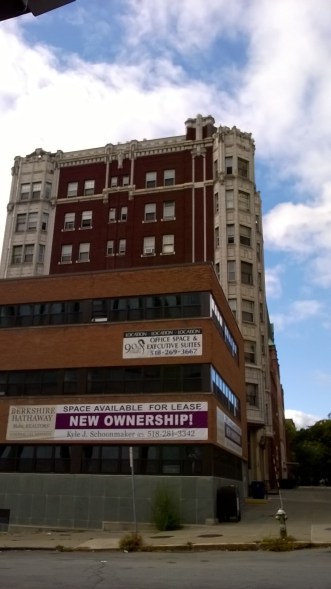
Behind a (probably half-empty, I’m guessing) office building on Swan Street in downtown Albany NY is the apartment building that is the subject of one of my favorite “wait, what?” stories in the area. The Fort Frederick apartments were completed in 1917 at the corner of Swan Street and Washington Avenue. In the mid-1920s, when it was determined that a building needed to be built to house New York state government offices that were scattered around the city, the powers that be decided that location conveniently across from the Capitol building would be ideal for a brand-new skyscraper, now known as the Alfred E. Smith building (on the National Register of Historic Places, that building is an interesting Art Deco structure itself). So they did what any reasonable person might immediately think to do: they moved it a block away. According to Albany Architecture: A Guide to the City (ed. Diana S. White, pub. 1993, Mount Ida Press), “J.W. and J.P. Eichleay of Pittsburgh jacked the eight-story structure up two feet and placed it on several hundred steel rollers laid on railroad tracks. It was then gently propelled 350 feet south by two teams of horses and two winches at a rate of seventy feet a day.”. And they didn’t even break a single pane of glass.
Amazing.


